Profiles in presence: Rebeckah Berry
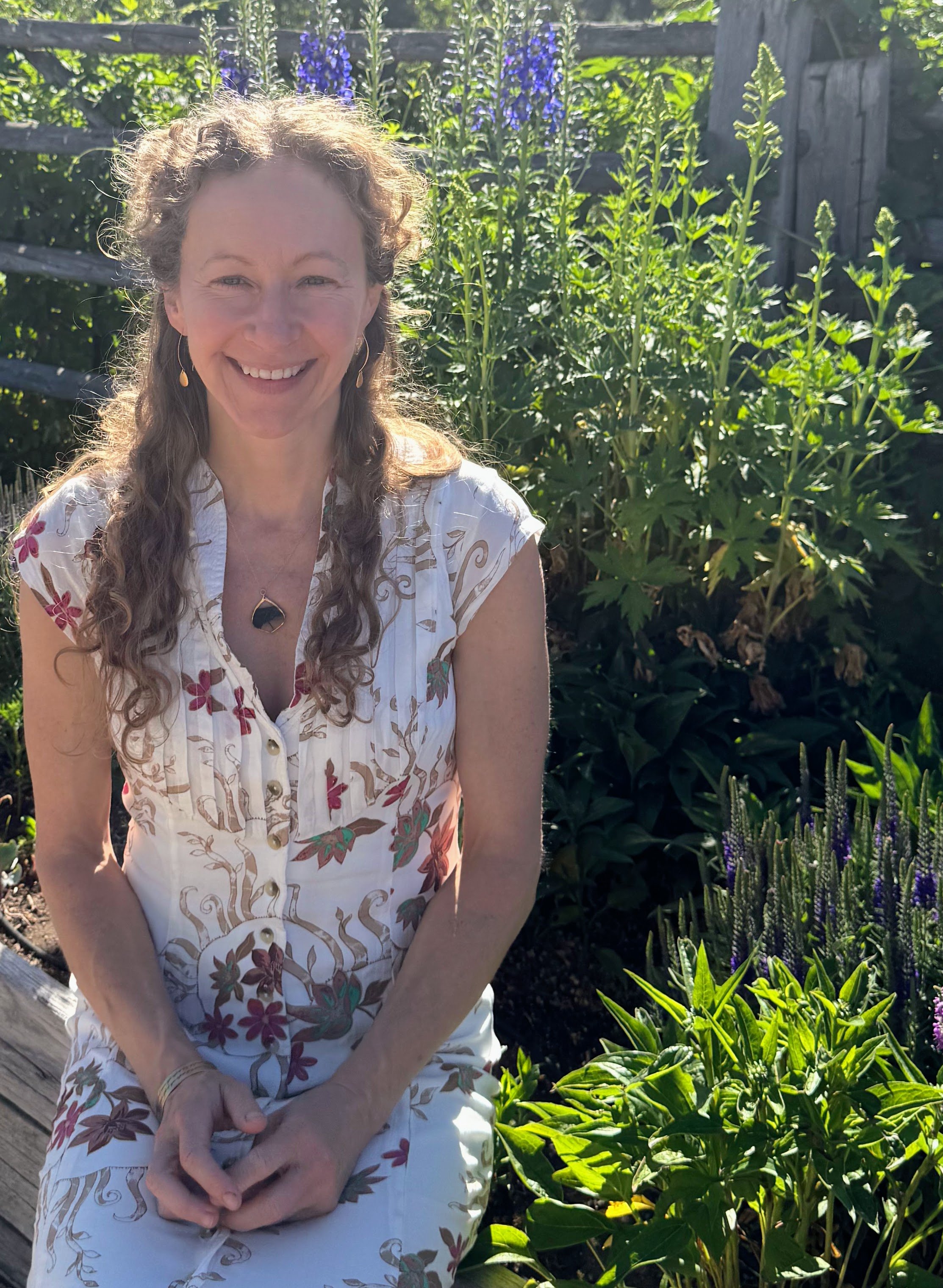
Interview with Rebeckah Berry in her own words:
This month our interviewer had the pleasure of visiting with Rebeckah Berry, the Grant Program Director for the focus area Access to Health Care for The Roundhouse Foundation located in Sisters, Oregon. This organization has provided key support to The Peaceful Presence Project in recent years and, through Rebeckah’s passionate work, is making impactful change in the arduous arena of increasing access to health care services for rural Oregonians.
Rebeckah came to Roundhouse from a career in public health, bringing years of experience on the program provider side to her new focus of philanthropy. She has loved “meeting people in their communities, finding out what’s going well, what they are struggling with, what they would like to see in their communities if it could be actualized. This has been the fun part for me in this geographically vast state with such isolated communities. The thing I love is meeting the people to see what keeps these communities alive and thriving and what they could use to improve their health and well-being.”
Compared to 20% nationally, Rebeckah notes that “about 33% of Oregon’s population is rural or remote. Yet only 7% of philanthropic dollars make it into these communities. And tribal nations get far less. So many of the organizations that we grant dollars to are almost entirely volunteer run, with residents wearing multiple hats across various community groups, plus taking care of their families, and their loved ones. So it’s harder for them to have the time and capacity to apply for dollars.” Part of Rebeckah’s work has been to help these groups apply for Roundhouse grants or help find someone who can assist with the larger state/federal grants. Her expertise with collecting data and organizing needed information empowers community volunteers to feel confident about applying to Roundhouse and other funders, expanding the services they need and desire. What a win-win!
Regarding The Peaceful Presence Project, Rebeckah states, “It’s been so amazing to see the expansion of the organization.Mind boggling! And so deeply needed. During my first year at Roundhouse I heard about The Peaceful Presence Project in connection with a training for End of Life Doulas in the twelve eastern Oregon counties. I met with Elizabeth and said, ‘This is incredible; if you were able to expand this, could I help?’ So the first project we worked on together was an EOL doula cohort in Southern Oregon. It was so exciting to expand the EOL doula network to another part of the state that had really limited access to EOL support. It was amazing to see towns like Cave Junction, Gold Beach, Brookings and tiny towns like Wolf Creek getting people trained! We so rarely have access to end of life supports. Nobody really helps families or individuals go through that process in a way that aligns with their values and how they want to experience this part of life. It was such a huge addition in supporting families in these rural areas. It’s also been exciting to support the EOL Doula Network that aids trained doulas, linking them to resources and emotional support.”
Regarding TPPP’s outreach to various rural parts of the state, Rebeckah says, “I can’t think of any organization that allows folks to remain in their community and gather, with the trainers coming to them. I think that’s a particularly unique, beautiful part of what The Peaceful Presence Project does. Wallowa Hospital up in Enterprise had staff members trained, and they shared how impactful the training has been, noting increased confidence in having supportive conversations with patients and a greater comfort in meeting people where they are in that stage of life. There are so many places with almost no health resources in this state. As we build services, wouldn’t it be amazing to have trained doulas who can also have these conversations with people, in their homes, where they are comfortable?”
Looking at the bigger picture of health care access, Rebeckah feels “we have to do a better job of accounting for geographic isolation when talking about how programs can be sustained (at the federal and state level) in rural and remote communities. We have folks who truly don’t understand what it takes to run a program in rural areas. Oregon is 86% rural by geography; that’s pretty huge! People literally have higher rates of cancer, higher rates of death in rural counties due to these issues. Health care and public health struggle the most in our rural areas, simply due to its vastness.”
Wrapping up her thoughts about the end of life, Rebeckah says, “One thing we share in common is that we will all die. I would love for it to be more of a community sharing experience, so that there is literacy around the end of life, as well as the emotional support in place. That way, folks don’t face it alone and their loved ones don’t go on to grieve alone. To have people who can sit comfortably in that space, at the end of life. There should always be a person there to hold someone’s hand.”
We are deeply fortunate to benefit from Rebeckah’s wisdom and heartfelt vision for expanding access to healthcare for rural Oregonians. When paired with the Roundhouse Foundation’s strong leadership, resources, and sustained investment, this partnership represents a powerful commitment to equity, care, and community wellbeing across the state.